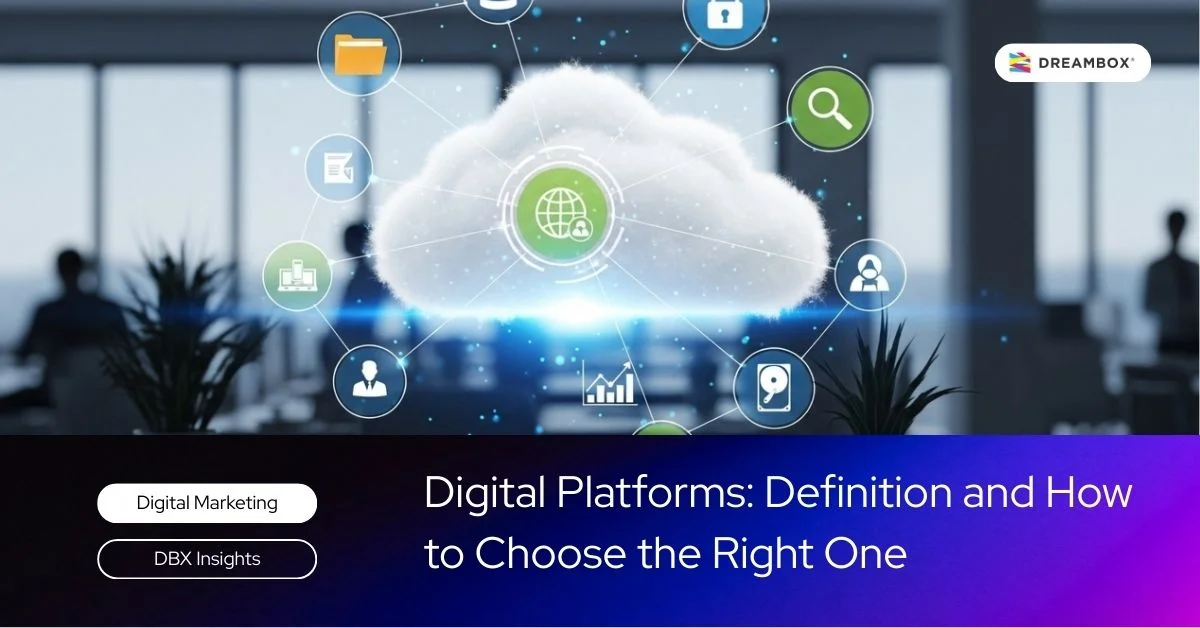
A digital platform is a technological infrastructure that serves as an essential foundation for modern businesses to create value through interactions and transactions within an integrated ecosystem. Understanding the complexity of this instrument is no longer an option, but a strategic necessity for business leaders aiming to build a legacy in the era of disruption. Is your current digital infrastructure capable of aligning your business vision with the increasingly dynamic expectations of your audience?
What Is a Digital Platform?
Fundamentally, a digital platform is a software based environment that enables various groups (such as users, service providers, and developers) to interact, transact, and co create value. A platform is not merely a data storage space, but a dynamic ecosystem that facilitates seamless information exchange.
The Difference Between Platforms and Applications
Confusion often arises between platforms and applications. An application is software designed to perform specific tasks for end users. Conversely, a platform is the foundation or architecture upon which those applications run. If an application is a vehicle, then a platform is the highway and infrastructure that allows that vehicle to move and connect with other points.
Key Characteristics of a Digital Platform
A proficient digital platform generally possesses the following characteristics to ensure its functionality:
- Scalability: The ability to handle workload growth without compromising performance.
- Flexibility: Adaptive to changing business needs and the latest technological developments.
- Interoperability: The capacity to integrate with other systems or applications via APIs (Application Programming Interface).
- Data driven & pattern analysis: Utilizing data to understand user behavior and predict future trends.
- Security & trust system: Stringent security protocols to protect data privacy and build credibility in the eyes of the audience.
- Multi sided network: Connecting two or more interdependent user groups, creating a powerful network effect.
The Evolution of Digital Platforms in Business
The journey of digital platforms has undergone a significant evolutionary phase. Starting from mere static information portals in the early internet era, we are now in the age of intelligent platforms.
Schedule a free 30-minute branding consultation session with our experts.
This transformation shifts traditional linear business models into circular platform business models. Businesses no longer just sell products to customers; they build ecosystems where customers, partners, and third parties can actively interact, organically increasing brand equity through mass participation.
Types of Digital Platforms
Understanding platform classifications is vital for CEOs to determine where technology investments should be allocated. Examples of digital platforms include:
Types of Digital Platforms Based on Function

-
E Commerce Platforms
Enabling online buying and selling transactions (e.g., Shopee, Tokopedia).
-
Social Media Platforms
Facilitating social interaction and content distribution (e.g., Instagram, LinkedIn, TikTok).
-
On Demand Service Platforms
Connecting service providers with consumers in real time (e.g., Gojek, Grab).
-
Financial Platforms (FinTech & Digital Banking)
Ecosystems for financial management, digital payments, and investment.
-
Education Platforms (EdTech)
Providing infrastructure for remote learning and educational content management.
-
Entertainment & Streaming Platforms
Massive distribution of audio and visual content (e.g., Netflix, Spotify).
Types of Digital Platforms Based on Technology

-
Computing Platforms
Technical foundations like operating systems (iOS, Android) that allow other applications to run.
-
Technology Platforms
Providing cloud computing services and application development (e.g., AWS, Google Cloud).
-
Collaboration & Productivity Platforms
Tools to enhance team efficiency (e.g., Slack, Microsoft Teams).
-
Community Platforms & Digital Forums
In depth interest based discussion spaces (e.g., Reddit, Discord).
The Function of Digital Platforms in Business
Why are platforms so crucial to your growth strategy? Here are their strategic functions:
1. Facilitating Interaction and Transaction
Platforms remove geographical and time constraints, allowing you to reach a global audience and drive conversions 24/7.
2. Serving as Business Digital Infrastructure
Without a solid platform, digital operations remain fragmented. Platforms unite all your digital assets into one cohesive ecosystem.
3. Driving Innovation and Collaboration
With open architecture, platforms enable collaboration with external parties to create new features or services more relevant to the market.
4. Managing and Monetizing Data
Data is a valuable asset. Platforms document every audience touchpoint, which can then be processed into strategic insights to improve ROI.
5. Increasing Operational Efficiency
Through process standardization, platforms reduce long term operational costs and minimize human error in data management.
How to Maximize a Digital Platform
Possessing a platform is only the first step; optimizing it is the key to a competitive victory.
1. Content Strategy and SEO
Ensure every platform you use has visibility in search engines. Authentic, valuable content will attract an organic audience.
2. Data Utilization and Analytics
Use data to conduct regular audits of campaign performance. Is audience behavior aligned with your business goals?
3. Social Media Integration
Do not let your platform stand alone. Integrate it with social media to amplify the reach of your brand message.
4. Automation, AI, and Chatbots
Use AI technology to provide instant responses. This is not just about efficiency, but about maintaining audience trust through high responsiveness.
5. User Experience
Invest in intuitive design. A seamless user experience will significantly increase retention and conversion.
How to Choose the Right Digital Platform
Choosing a platform without a strategy is a waste of resources. We suggest the following systematic approach:
1. Defining Business Objectives
Do you want to increase brand awareness, drive direct sales, or build community loyalty? These goals will determine the type of platform required.
2. Understanding the Target Audience
Where does your audience spend their time? Choosing a platform irrelevant to your target demographic will only result in low engagement.
3. Evaluating Features and Scalability
Can the platform grow alongside your business? Ensure the platform has a strong legacy and sustainable technical support.
4. Security, Integration, and Cost
Conduct an audit of data security protocols. Additionally, consider whether the investment cost is proportional to the potential value generated in the future.
Impact of Digital Platforms: Opportunities and Challenges
Every transformation is a double edged sword. As a strategic leader, you must mitigate risks while capturing opportunities.
Positive Impacts
Platforms open market access previously impossible to reach and enable cost efficiency through automation. This provides a competitive advantage for adaptive businesses.
Challenges and Risks
Data security issues, dependence on third party algorithms, and the speed of technological change are real challenges. Businesses must remain vigilant and have comprehensive mitigation plans.
Case Studies of Digital Platform Implementation
1. E Commerce
Local brands integrating marketplace platforms with their official websites have successfully increased revenue by up to 300% through precise inventory synchronization.
2. Digital Banking
The transformation of conventional banks into digital banking platforms has increased financial inclusion and accelerated transaction processes that previously took days.
3. MSMEs and Local Businesses
Utilizing on demand service platforms allows small culinary businesses to reach a wider delivery radius without needing their own logistics fleet.
Digital Platforms and Career Opportunities
This ecosystem also creates a need for new professional talent who understand digital dynamics.
Required Skills
Data analysis, algorithm understanding, digital product management, and strategic thinking are highly sought after competencies today.
Professional Roles
From Digital Strategists to Data Scientists, these roles are essential to keeping platforms relevant and capable of providing solutions to complex business challenges.
Optimize Your Digital Platform for Digital Marketing Strategy
A digital platform is not just a tech trend, but the primary foundation for business growth in the modern era. Choosing the right platform, aligned with strategic goals and the right audience, will transform how you communicate and deliver value to customers. With smart integration, you can increase visibility, deepen engagement, and convert interactions into long term loyalty.
Is your current platform strategy strong enough to face future competition? We at Dreambox are ready to be your discussion partner in crafting an impactful strategy. Learn more about Dreambox Digital Marketing services to transform your business. Do not hesitate to contact our team for an in depth consultation, and find various other strategic insights on the Dreambox blog.