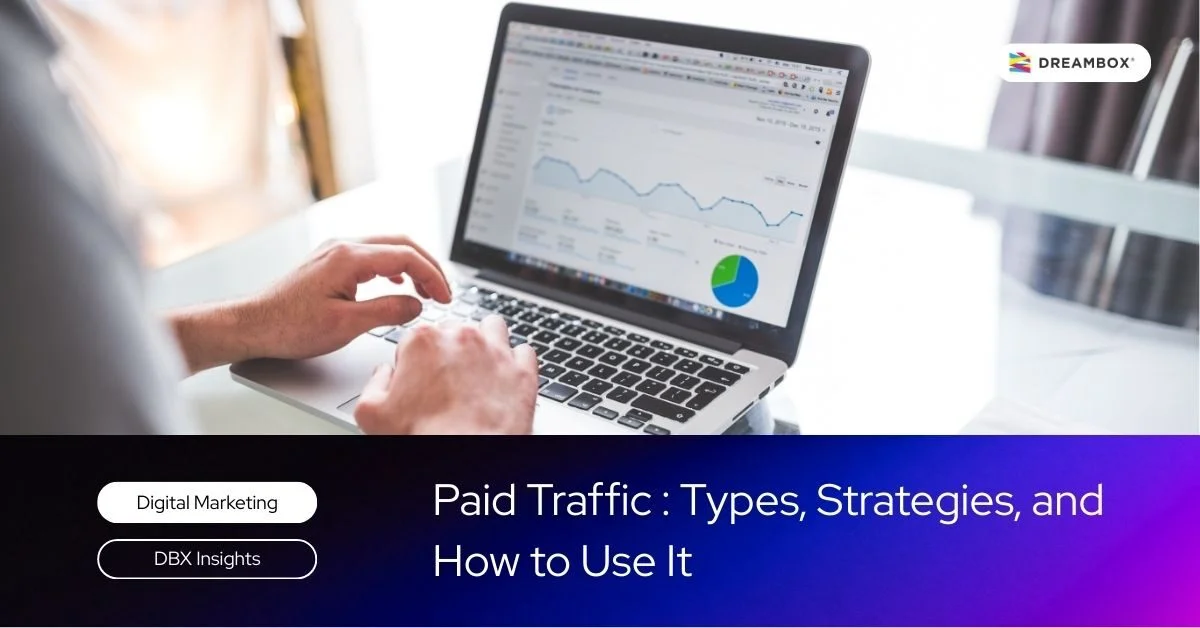
In short, paid traffic is website visits obtained from paid ad placements on platforms such as search engines or social media, different from organic traffic that comes without direct advertising costs. In digital marketing strategies, paid traffic plays a role in accelerating visibility, driving conversions, and complementing long-term efforts such as SEO and content. With goal planning, precise targeting, and measurement of relevant metrics, paid advertising campaigns can be managed effectively and measurably.
What Is Paid Traffic?
Paid traffic is a digital marketing strategy to bring visitors to a website through paid ads such as Google Ads and Facebook Ads. Unlike organic traffic, paid traffic allows businesses to increase visibility quickly and target specific audiences based on demographics, interests, and behavior. This strategy excels because the results are measurable, controllable, and effective in driving traffic, conversions, and sales in a relatively short time.
How Paid Traffic Works in Digital Marketing
Advertisers use advertising platforms to display ads to targeted audiences, then pay based on models such as CPC or CPM when ads are viewed or clicked.
The Role of Paid Traffic in Digital Marketing Strategy
1. Increasing Website Visibility Instantly
Paid traffic enables fast exposure because ads can be displayed immediately to relevant audiences after a campaign is activated.
2. Reaching More Specific Audiences
Advertising platforms provide targeting options that help reach audiences according to demographics, interests, or business needs.
Schedule a free 30-minute branding consultation session with our experts.
3. Paid Traffic as a Business Growth Accelerator
Paid traffic is effective as an initial driver while waiting for organic channels to mature, which generally require more time.
Differences Between Paid Traffic and Organic Traffic

The main difference between paid traffic and organic traffic lies in how they are obtained. Organic traffic is gained through natural search engine results, while paid traffic comes from paid advertisements. Some other differences include:
- Method of acquisition: Organic traffic is obtained from natural search results and non-paid content, while paid traffic comes from paid ads.
- Speed of results: Paid traffic delivers faster results, while organic traffic takes time to build visibility and site authority.
- Cost: Organic traffic does not require direct advertising costs, while paid traffic requires budget investment.
- Targeting: Paid traffic offers more specific audience targeting control, while organic traffic is more limited in determining who sees the content.
Types of Paid Traffic
1. Paid Search Traffic (Search Engine Marketing / SEM)
Paid ads on search engines target user queries, making them relevant for capturing existing demand.
2. Social Media Ads Traffic
Social media ads drive awareness to conversions through audience targeting and diverse creative formats.
3. Display Ads and Banner Advertising
Display or banner ads show visuals across publisher networks to build awareness and retarget site visitors.
4. Sponsored Content and Native Ads
Paid content that appears naturally on publisher platforms helps educate while subtly directing traffic.
5. Influencer Marketing as a Source of Paid Traffic
Paid collaborations with influencers can direct their audiences to your website or landing page.
6. Affiliate Marketing Traffic
Affiliate programs provide commission incentives to partners for directing traffic and sales to your site.
Commonly Used Paid Traffic Platforms
1. Google Ads and Search Engine Advertising
Google Ads is commonly used for search, display, and other formats that target user intent on search engines.
2. Facebook and Instagram Ads
Ads on Facebook and Instagram leverage platform data to reach audiences aligned with campaign goals.
3. LinkedIn Ads for B2B Needs
LinkedIn Ads are relevant for reaching professionals and B2B marketing needs with targeting aligned to job profiles.
4. Marketplace Ads and Alternative Platforms
In addition to major platforms, businesses can also leverage alternative advertising channels based on their goals and audience characteristics.
Choosing the Right Paid Traffic Platform
Evaluating Various Paid Traffic Platforms
Choosing the right paid traffic platform is crucial for campaign success. Some popular platforms include Google Ads, Facebook Ads, Instagram Ads, and LinkedIn Ads. Each platform offers unique advantages and is suitable for different target audiences. Google Ads, for example, is highly effective for targeting users based on search keywords, while Facebook and Instagram Ads excel at targeting based on interests and demographics.
Platform Suitability for Target Audiences
It is important to choose a platform that aligns with your business’s target audience. If your target audience consists of active social media users, Facebook or Instagram Ads may be the right choice. However, if you want to reach professionals or B2B businesses, LinkedIn Ads may be a more suitable platform. Google Ads is suitable for various types of businesses due to its broad reach and ability to target based on search intent.
Budget and ROI Considerations
Budget is an important factor in choosing a paid traffic platform. Each platform has a different cost structure, such as pay-per-click (PPC) or pay-per-impression (PPI). It is important to set a realistic budget and monitor it regularly. In addition, consider the potential ROI of each platform. Analyze campaign performance periodically to optimize spending and maximize results. Do not hesitate to experiment with different platforms and budgets to find the most effective combination for your business.
Creative Strategies in Paid Traffic Campaigns
Creating Compelling Ad Messages
Ad messaging plays a critical role in the success of paid traffic campaigns. Use persuasive copywriting with clear calls-to-action (CTA) to encourage audiences to take actions aligned with campaign objectives, whether awareness, leads, or sales. Ad messages must be consistent with brand voice and tailored to audience segments to be more relevant and effective.
Eye-Catching Visual Design
Ad visuals need to capture attention quickly. Use high-quality images or videos that align with the ad message and are easy to understand. Visual design should also be adapted to the character and format of each platform, whether social media, search engines, or display networks.
Using Innovative Ad Formats
Exploring various ad formats such as text, images, video, or responsive formats is important to improve campaign performance. Each paid traffic platform offers different format options, including sponsored content that resembles organic content. Test various formats to find the most effective combinations for your audience.
Content Personalization for Target Audiences
Leverage the targeting capabilities of paid traffic platforms to personalize ad messages and visuals based on user demographics, interests, and behavior. Tailoring content to audience characteristics and funnel stages helps increase ad relevance, cost efficiency, and conversion opportunities.
Key Elements in Paid Traffic Ads
- Persuasive and Relevant Ad Copywriting
Use clear, relevant, and benefit-oriented messages to attract quality clicks.
- Attractive Visuals Consistent with the Brand
Visual creatives must align with brand identity and be able to capture the attention of the target audience.
- Clear and Measurable Calls to Action (CTA)
Include specific CTAs so user actions and campaign results are easier to measure.
- Ad-to-Landing Page Alignment
Ensure ad messages are consistent with landing pages to reduce friction and increase conversions.
Advantages and Disadvantages of Paid Traffic
Advantages of Paid Traffic for Businesses
The main advantages are fast results, measurability, and precise targeting according to business needs.
Disadvantages and Risks of Using Paid Traffic
Risks include dependency on budgets and platforms, as well as wasted spending if targeting or optimization is not properly executed.
How to Minimize the Risk of Wasting Ad Budget
Conduct routine optimization, A/B testing, and improve ad and landing page relevance for cost efficiency.
- Measuring and Analyzing Paid Traffic Performance
Key Metrics (CTR, CPC, Conversion Rate). Monitor metrics such as CTR, CPC, and conversion rate to assess the effectiveness of each ad asset.
- Measuring ROI and Campaign Effectiveness
Calculate results versus costs to evaluate ROI and allocate budgets to the most profitable ad combinations.
- A/B Testing for Ad Optimization
Test variations of copy, visuals, or audiences to find the most effective combinations before scaling budgets.
- Ongoing Campaign Monitoring and Optimization
Review performance regularly and adjust bidding, targeting, and creatives to maintain efficiency.
Common Mistakes in Using Paid Traffic
- Targeting audiences that are too broad, reducing relevance and cost efficiency of campaigns.
- Not optimizing irrelevant landing pages, which hinders conversions despite high traffic.
- Focusing on traffic without paying attention to conversions, resulting in success measured only by traffic volume rather than business value actions.
- Not evaluating and optimizing data makes campaigns difficult to grow and risks budget waste.
Boost Your Business Growth with the Right Paid Traffic Strategy
Paid traffic plays an important role in driving business growth in the digital era. By strategically leveraging various paid advertising platforms, businesses can increase brand visibility, reach target audiences more effectively, and expand conversion opportunities.
The success of this strategy is determined by choosing the right platforms, designing compelling ad messages and visuals, and continuously measuring and analyzing campaign performance.
To maximize the benefits of paid traffic, business owners need to continue learning and adapting to ever-evolving digital marketing trends. With a data-driven approach and consistent ROI evaluation, paid traffic can become a highly valuable tool to support sustainable business growth.
Dreambox is ready to help you optimize paid traffic performance. Contact us now and realize more effective and measurable paid advertising campaigns.