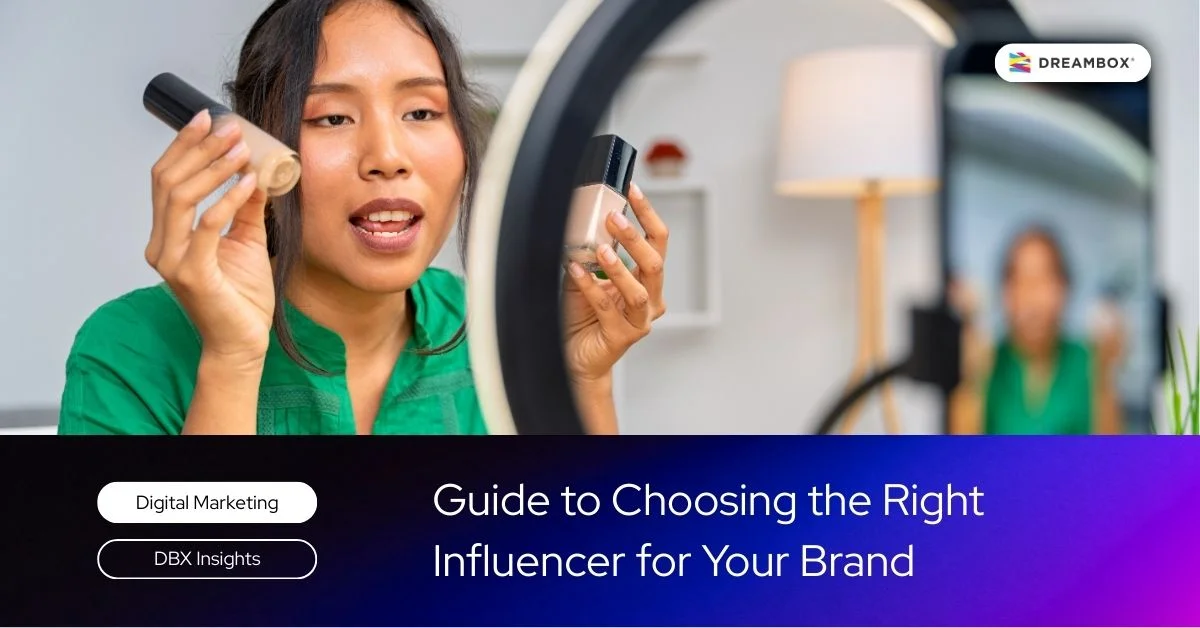
The role of influencers has become increasingly important in digital marketing strategies because they are able to influence public opinion as well as audience purchasing behavior on social media. The diversity of influencer types, platforms, and niches makes the process of selecting the right influencer crucial to ensure campaigns run effectively and remain relevant to your brand’s target market.
What Is an Influencer
An “influencer” is an individual who has the ability to influence the purchasing decisions of others due to their authority, knowledge, position, or relationship with their audience.
In the marketing world, influencers often use social media platforms to communicate with their followers, shape trends, and provide recommendations for specific products or services.
Leveraging influencers has become one of the most effective modern marketing strategies, especially in an era where trust in conventional advertising is declining.
Why Influencers Are Important in Marketing Strategies
1. The Impact of Influencers on Brands
Influencers provide strategic value to brands by expanding message reach, building audience trust, and increasing interaction through relevant content. The right collaboration helps brands reach specific target markets while strengthening positive perceptions of products or services.
Schedule a free 30-minute branding consultation session with our experts.
2. Increasing Brand Awareness
By working with an influencer, your business can reach a wider audience. An influencer with thousands or even millions of followers can provide brand exposure more quickly and efficiently than traditional advertising.
3. Building Consumer Trust
Influencers are often considered authoritative within their niche. When they recommend your brand, their followers are more likely to trust and try your products or services compared to messages delivered directly by the business.
4. Increasing Engagement
High levels of interaction between an influencer and their followers create significant opportunities to engage audiences. For example, influencer-led content often encourages further discussion through comments, likes, and content sharing.
5. Reaching More Specific Target Audiences
Influencers typically have followers aligned with their specific niche, allowing businesses to focus on more relevant target markets.
Types of Influencers Based on Number of Followers
1. Nano Influencers: Micro Level Strength
Nano influencers have approximately 1,000 to 10,000 followers. They are known for having very personal relationships with their audiences, making endorsements feel more authentic and sincere.
2. Micro Influencers: More Personal Connections
Micro influencers have between 10,000 and 50,000 followers. They are often considered the best option for reaching relevant audiences and are more approachable compared to other influencer categories.
3. Macro Influencers: Broad Reach
Macro influencers have between 50,000 and 1 million followers. They offer wider reach and often collaborate with well known brands, while still remaining relevant to specific audiences.
4. Mega Influencers: Digital Celebrities
Mega influencers have more than 1 million followers. They usually hold celebrity status, whether as artists, athletes, or other public figures. Their focus is generally more on broad reach than personal engagement.
Types of Influencers Based on Niche or Content Field
1. Lifestyle Influencers

They share content related to lifestyle, ranging from daily activities to diverse product recommendations. Audiences often follow them for everyday inspiration.
2. Beauty Influencers

Beauty influencers focus on beauty products and trends such as makeup, skincare, and body care. They are often highly effective for brands in the beauty industry.
3. Travel Influencers

Travel influencers share their experiences visiting various destinations, provide tips, and recommend travel-related services or products.
4. Food Influencers

From restaurant reviews to creative recipes, food influencers attract audiences who are passionate about the culinary world.
Types of Influencers Based on Social Media Platforms
1. Instagram Influencers
They excel in visuals, storytelling, and personal branding through feeds, Stories, and Reels.
2. TikTok Influencers
They rely on short form videos, fast moving trends, and viral audio to capture attention in a short time.
3. YouTube Influencers
They produce longer and more educational content such as in depth reviews, tutorials, or vlogs.
4. Twitter / X Influencers
They are strong in public conversations, opinions, and discussions on trending issues.
Roles and Responsibilities of Influencers in Brand Campaigns
Creating Content Based on Brand Briefs
Influencers translate brand briefs into content that resonates with their audience’s characteristics, while maintaining message consistency, values, and campaign objectives to ensure effective brand communication.
Delivering Brand Messages Authentically
Through distinctive and personal communication styles, influencers convey brand messages naturally, avoiding overt promotion and making them easier for audiences to accept.
Influencing Audience Opinions and Decisions
Opinions and experiences shared by influencers can shape perceptions, increase interest, and influence audience consideration processes, ultimately leading to purchase intent.
Maintaining Follower Trust in Provided Recommendations
Honesty in collaborations and content consistency are critical factors in maintaining audience trust, ensuring recommendations remain credible and valuable.
Differences Between Influencers and KOLs (Key Opinion Leaders)
Influencers Focus on Engagement and Audience Connection
Influencers emphasize interactive relationships with their follower communities, using accessible and creative communication styles to build emotional closeness. They create content designed to trigger audience responses and strengthen social bonds, maximizing engagement in both the short and long term.
KOLs Focus on Credibility and Expertise in Specific Fields
KOLs are respected figures due to their specific expertise or experience in a particular field. Their opinions are often referenced because they are considered to have strong competency foundations, allowing their recommendations or insights to shape audience perceptions based on professional authority rather than popularity alone.
Differences in Communication Approaches and Content Types
The main difference in communication lies in content focus: influencers tend to deliver messages in entertaining and relatable ways aligned with trends and general public preferences, while KOLs deliver content that is more in depth, informative, and knowledge oriented, relevant to their area of expertise.
Primary Functions of an Influencer
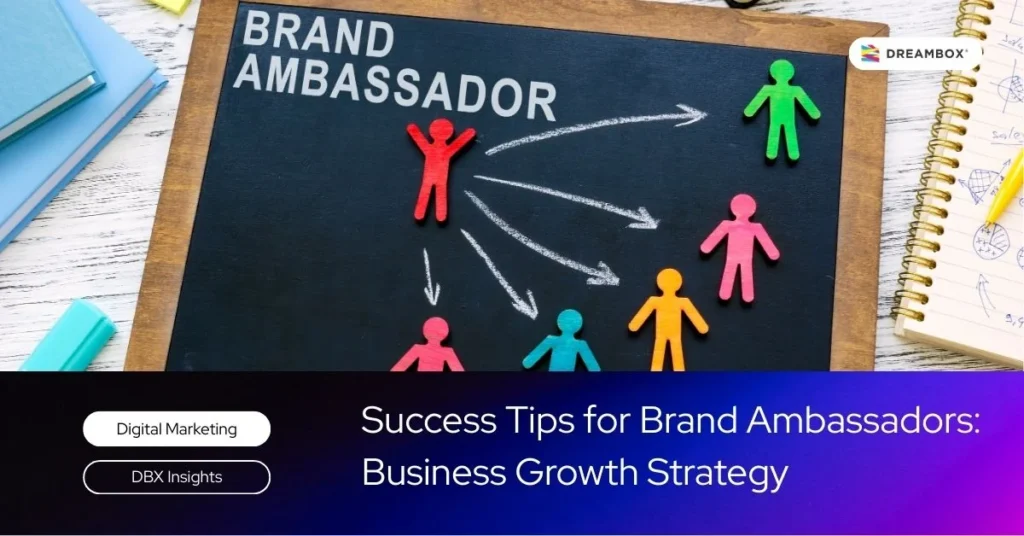
1. Brand Ambassador
Influencers often serve as the face of a brand, running long term campaigns to build brand awareness.
2. Content Creator
As visual supporters of a brand, influencers create content that highlights products or services, whether through photos, videos, or engaging copywriting.
3. Opinion Leader
They provide sought after opinions within their field, enabling them to influence audiences toward specific purchasing decisions.
4. Trendsetter
By creating or highlighting trends, influencers often act as drivers of what becomes popular and desirable in the market.
How to Choose the Right Influencer
1. Define Campaign Objectives
Do you want to increase brand awareness, boost engagement, or introduce a new product? Understanding your objectives will help you select relevant influencers.
2. Analyze Target Audiences
Ensure the influencer’s followers align with your business’s target audience in terms of demographics, interests, and location.
3. Align Influencer Niche with the Brand
Niche alignment ensures brand messages are naturally integrated into influencer content, preventing forced promotion and maintaining relevance to audience needs and expectations.
4. Evaluate Content Quality
Pay attention to the influencer’s content style. Does it align with how you want your brand to be perceived? High quality content strengthens brand image.
5. Consider Engagement Rates
Do not focus solely on follower counts; also assess how active the audience is. Influencers with high engagement rates are more effective in creating impact.
Common Mistakes in Choosing Influencers
Focusing Too Much on Follower Numbers
Large follower counts are often misinterpreted as indicators of success, whereas without active and relevant audience engagement, campaign impact can be minimal and not proportional to the investment made.
Ignoring Niche Relevance
A mismatch between influencer niche and brand character makes messaging feel unnatural, causing weaker audience connection and reduced campaign communication effectiveness.
Failing to Check Engagement Quality
Low or non organic engagement may indicate passive or uninterested audiences, putting brand messaging at risk of not being delivered optimally despite seemingly broad reach.
Not Aligning Influencers with Campaign Objectives
Selecting influencers without clear campaign goals complicates performance measurement, as there are no specific benchmarks to evaluate strategy success or impact.
Maximizing the Impact of Influencer Marketing for Business Growth
Influencer marketing has significant potential as a business growth strategy in the digital era because it connects brands with audiences in more relevant, authentic, and impactful ways. With careful planning, the right influencer selection, and well-measured execution, this strategy can drive sustainable increases in brand awareness, engagement, and conversions.
To maximize the potential of influencer marketing as part of your digital strategy, explore Dreambox Digital Marketing services. You can also consult with the Dreambox team to obtain solutions tailored to your brand’s goals and needs. Enhance your knowledge by reading various insights and relevant articles on the official Dreambox blog as strategic references for growing your business amid dynamic digital competition.