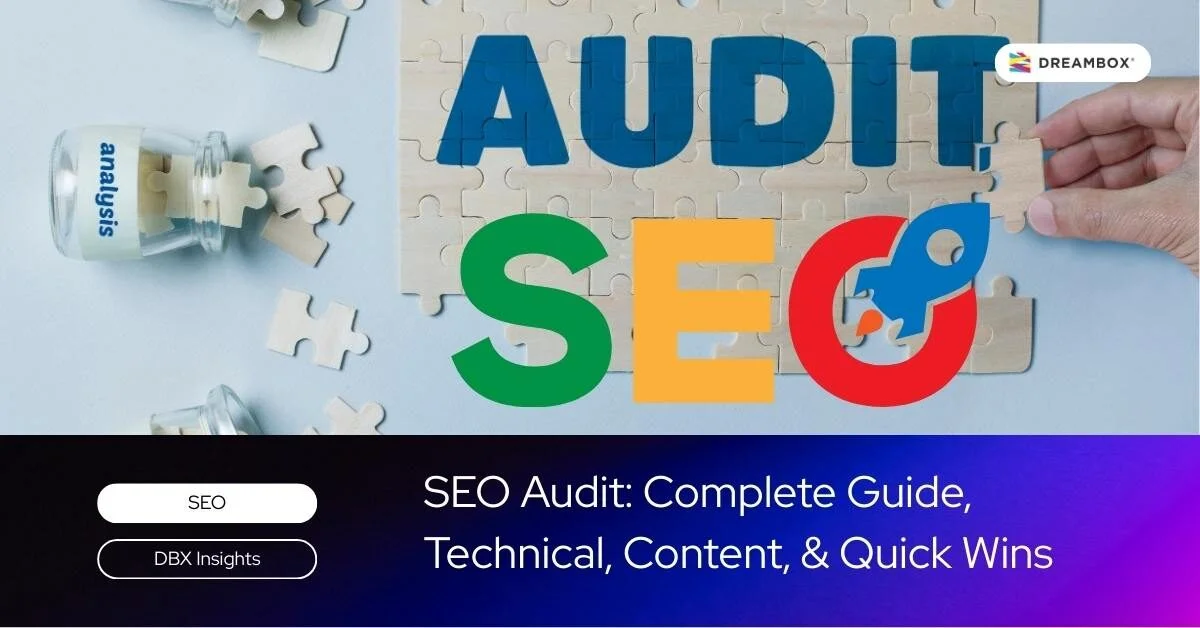
An SEO Audit is the critical first step you must take when your website traffic suddenly drops or stagnates, even though you’ve been consistently producing content.
Don’t be too quick to blame the Google algorithm. Often, the issue is hidden within the “health” of the site itself. Without a regular SEO Audit, you are allowing “silent leaks” such as technical glitches, slow loading times, or outdated content to gradually erode your business revenue potential unnoticed.
This article is a practical guide to performing a comprehensive check-up on your website, uncovering visibility barriers, and creating a measurable priority list for improvements.
What Is an SEO Audit and When Should You Do It?
An SEO audit is a comprehensive review of your website’s performance from technical, on-page, and content perspectives. The goal is to ensure your site is crawlable by search engines, indexed correctly, loads fast, and provides real value to users.
When is it crucial to perform one?
Schedule a free 30-minute branding consultation session with our experts.
- When there is a drastic drop in organic traffic.
- After a website migration, redesign, or URL structure change.
- Periodically (e.g., quarterly) to keep your digital assets competitive.
SEO Audit Checklist: Quick Wins in 30 Minutes
If you need a quick diagnosis, start with these essential checks to find the main “bleeding” points:
1. Google Search Console (GSC)
- Indexing: Check the Pages menu. Are there any priority pages with a Not Indexed status?
- Manual Actions: Ensure there are no penalty notifications from Google blocking your site’s visibility.
2. PageSpeed Insights
Test your Homepage and best-selling product pages. Focus on the mobile score since the majority of users access via phones. Note the LCP (Loading) and CLS (Visual Stability) metrics.
3. Check Top 10 High-Traffic Pages
Review the Title Tags and Meta Descriptions. Are they still relevant and clickable? Ensure the Heading 1 (H1) is clear and contains the main keyword.
4. Broken Links
Internal links pointing to 404 (Not Found) pages are a bad signal for both user experience and Google bots. Fix or redirect them immediately.
Technical Audit: Crawlability & Indexability
Your website’s foundation must be solid before we talk about content. This is the realm of technical SEO, ensuring Google can “read” your website without obstruction.
- Robots.txt: Ensure this file isn’t accidentally blocking important pages.
- URL Structure: Use clean, concise, and descriptive URLs. Avoid confusing random numerical parameters.
- Mobile-First Indexing: Google prioritizes the mobile version of your site. Ensure the layout and content on mobile are as complete as the Desktop version.
Speed & Core Web Vitals
Google considers User Experience a key ranking factor. Use the Core Web Vitals standard as a performance benchmark:
- LCP (Largest Contentful Paint): How fast does the largest element on the page load?
- CLS (Cumulative Layout Shift): Does the page layout “shift” while loading? (Disruptive shifts often cause users to click the wrong thing).
- Image Optimization: Use modern formats like WebP and enable lazy load so images only load when scrolled by the user.
On-Page Audit: Relevance & Structure
Once the technical side is secure, it’s time to dissect page structure to make it understandable for humans and machines.
- Heading Structure: Ensure a logical hierarchy from H1, H2, to H3. H1 is the main title, H2s are sub-topics.
- Internal Linking: Create a network of relevant inter-page links. This helps distribute page authority across the site.
- Schema Markup: Add structured data to give your website a chance to appear with attractive snippets (like review stars, product prices, or recipe cards) in search results.
Content & E-E-A-T Audit
Content is king, but relevance is queen. Perform fresh keyword research (riset kata kunci) to validate your content strategy.
- Mapping Intent: Ensure the content type matches its purpose. Don’t let sales content (commercial) appear for educational keywords (informational), or vice versa.
- Quality Evaluation (E-E-A-T): Google prioritizes content that is Helpful, Reliable, and People-First. Ensure your writing demonstrates real Experience & Expertise.
- Orphan Pages: Find pages that are “isolated” (have no internal links from other pages) and link to them immediately so Google doesn’t consider them trash content.
Off-Page & Local SEO Audit
Your website’s reputation is also determined by external validation.
- Backlink Profile: Check Referring Domains. Are incoming backlinks from credible sites or spam/gambling sites? Low-quality (“toxic”) backlinks can damage your rankings.
- Google Business Profile (Local SEO): Ensure Name, Address, and Phone (NAP) are consistent across your digital footprint. Diligently reply to customer reviews to build local trust.
Recommended SEO Audit Tools
You don’t have to do all this manually. Leverage these tools:
Free:
- Google Search Console (Mandatory)
- Google Analytics 4
- PageSpeed Insights
- Screaming Frog (Free up to 500 URLs
Paid (For in-depth analysis):
- Ahrefs or Semrush (Excellent for competitor and backlink analysis).
Of course, if you need other SEO tools, you can check out Dreambox Branding Agency’s recommendations for the best SEO tools for 2026.
SEO Audit FAQs
How long does an SEO audit take?
There is no standard duration. The time required depends on the website’s scale (number of pages) and the complexity of the issues. An e-commerce site with thousands of products will certainly take longer than a company profile.
What is the difference between Technical SEO and an SEO Audit?
Technical SEO is a specific part of the audit focused on infrastructure (code, server, crawling). An SEO Audit is the larger umbrella covering technical, content quality, and off-page strategies.
Ready to Improve Your Website Performance?
Performing an SEO audit may sound technical and exhausting, especially if you have to dissect hundreds of pages one by one. However, letting errors pile up will only make it easier for competitors to overtake your position in the market.
If you feel overwhelmed or need an expert’s view to translate audit data into actionable strategies, Dreambox is ready to be your partner. As a provider of the best SEO services in Jakarta, we don’t just provide a list of problems but also execute end-to-end improvements—from technical fixes to market-dominating content strategies.
Let’s discuss your website’s potential through our Contact Page or learn more about the latest digital insights at DBX Insight.